How Dermabrasion Improves Skin Texture and Tone

Skin conditions are a common concern for many of us, and they can affect patients of all genders, ages, skin textures, and skin types. In many cases, there may be more than one affliction causing distress to the skin, and it can lead to visible blemishes, pigmentation issues, and uneven texture. Our Newport Beach dermabrasion can help. Many issues that cause skin imperfections are due to genetics, aging, or external factors like bacteria, sun damage, harsh weather, hormones, and stress. Loss of collagen over time can also contribute to this, as it means your body will struggle to replenish lost hydration and moisture in the skin. Thankfully, dozens upon dozens of options are available for patients seeking skin improvement treatments. At Dr. Kevin Sadati's office, patients have access to a variety of skin enhancement options, including dermabrasion. One of the most classic skin treatments, dermabrasion, involves exfoliation to help remove the upper layers of skin and kick-start the body's natural healing process in a controlled manner. This stimulates cell turnover and produces softer, tighter, and more youthful-looking skin.

Intro background
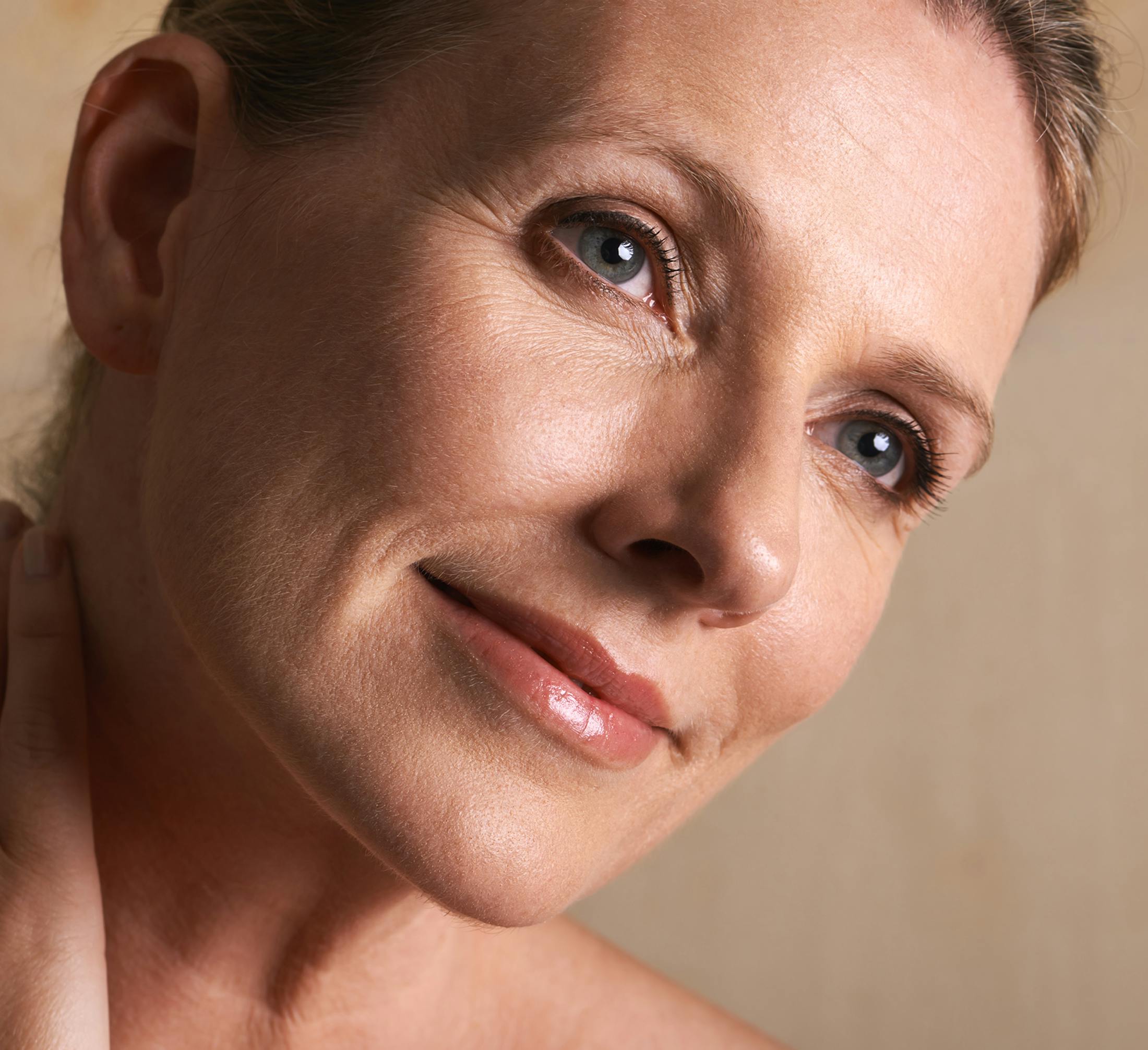
close up of woman's face, head tilted with hand on neck

Does Dermabrasion Work?

The dermabrasion procedure is a medical-grade skin resurfacing technique that uses a rapidly rotating device with a diamond tip to provide a deep level of exfoliation to the desired area. It shouldn't be performed on more delicate areas, but it can show incredible results on larger parts of the face, like the cheeks, forehead, or décolleté.

When performed by our experienced and licensed medical staff overseen by a plastic surgeon such as Dr. Sadati, you can expect the highest quality care and attention to detail that is specifically catered to your needs. This treatment may not be suitable for everyone. During your consultation for dermabrasion, Newport Beach plastic surgeon Dr. Kevin Sadati will assess your skin to ensure that you are an eligible candidate before you undergo the procedure.

Half image accent

What is Microdermabrasion?

Microdermabrasion is similar to dermabrasion but delivers a more gentle exfoliation treatment using smaller abrasives. A diamond-tipped device is commonly used to gently remove the upper layer of skin showing signs of impurities or imperfections.

This minimally invasive treatment can help brighten or correct issues like skin tone, texture, or minor blemishes. It may be recommended for patients who need less extensive correction or simply want to touch up their appearance in between other treatments or before a big day.

Who Can Get Dermabrasion Treatments?

Dermabrasion treatments are more in-depth because they use an abrasive sandpaper-like material to strip away the layers of skin. This procedure is not recommended for patients seeking minor cosmetic improvements or to address common signs of aging or sun damage in the skin.

Because it helps strip away the upper layers of skin, making way for new skin growth, it's best for patients who struggle with scars on the face due to acne, previous injury, or surgery. It may also be recommended to help remove the pre-cancerous growths known as keratoses.

Banner media

How Soon Will I See Results After Dermabrasion?

Your skin will continue to improve visibly over the next several weeks and months, with results starting to stand out at about five months. The extent of treatment required to achieve the desired results will ultimately depend on this. Dr. Sadati will be as realistic as possible and discuss the procedure and what you can expect.

Accent media
Accent media
Accent background

What is Recovery Like?

The recovery following a dermabrasion treatment is not immediate, but will slowly develop over time. This treatment is intended as a long-term solution to scarring or deep indents in the skin that can distract from your appearance and cause self-confidence issues. Immediately after the procedure, your skin will likely be red and raw, but an ointment will help soothe the area. 

You'll probably feel some tingling, stinging, burning, or throbbing. Any pain you feel can be controlled with medications. The inflammation will subside within a few days to a week after treatment. The first healing stage causes a scab or crust to form over the treated area. Once this falls off, a new layer of skin forms underneath. Your face may begin to itch as the fresh skin starts to grow, and it will have a pink tinge. You may apply more ointment at this time.

Accessibility: If you are vision-impaired or have some other impairment covered by the Americans with Disabilities Act or a similar law, and you wish to discuss potential accommodations related to using this website, please contact our Accessibility Manager at (949) 694-7657.
Contact Us